
Table Of Contents
- What Is the Core Role of Digital Signage in AT&T Internet Stores?
- How Can AT&T Internet Use Digital Signage to Increase Customer Engagement?
- Which Content Types Deliver the Highest Engagement for AT&T Internet Customers?
- How Should AT&T Structure Its In-Store Digital Signage System?
- How to Plan and Deploy Digital Signage in AT&T Stores Effectively?
- How Does Digital Signage Improve Staff Efficiency and Service Quality?
- Why Does Customer Psychology Matter in AT&T’s In-Store Signage Strategy?
- How Can AT&T Integrate Digital Signage With Its App Ecosystem?
- How Can AT&T Measure ROI and Performance of Digital Signage Investments?
- Which Lessons Can Be Drawn From Other Telecom Leaders’ Use of Digital Signage?
- What Are the Broader Implications for AT&T’s Brand and Customer Experience?
What Is the Core Role of Digital Signage in AT&T Internet Stores?
Digital signage in AT&T Internet stores serves as an intelligent engagement system designed to transform passive browsing into active interaction. Instead of relying on static posters or paper displays, networked digital screens deliver dynamic, data-driven content that reacts to customer behavior, local events, and even time of day. This creates a store experience that feels personalized, efficient, and tech-forward - values central to AT&T’s brand identity.
According to Retail Dive (2024), 81% of consumers are more likely to visit physical stores that offer interactive digital experiences. For a telecom leader like AT&T, this statistic translates into a measurable opportunity: integrating digital signage to connect customers emotionally and informationally with its services, devices, and ecosystem.
AT&T’s in-store goal is not just to display promotions, but to guide decisions, showing plan comparisons, visualizing Wi-Fi coverage maps, or demonstrating smart home setups in real time. When executed correctly, digital signage becomes both educator and persuader, helping customers visualize how AT&T Internet fits into their connected lifestyle.
For example, in a high-traffic store in Dallas, AT&T could deploy a 2×2 video wall displaying localized internet speed tests, highlighting the city’s fiber expansion zones, and offering real-time plan matching based on ZIP code data. Such contextual storytelling fosters credibility and converts curiosity into action.
The implication is clear: digital signage is no longer a “nice-to-have” visual upgrade. It is a strategic communication infrastructure capable of reducing friction in the customer journey, shortening decision cycles, and amplifying AT&T’s innovation-driven image.
How Can AT&T Internet Use Digital Signage to Increase Customer Engagement?

The direct answer: AT&T Internet can use digital signage to boost engagement by creating personalized, interactive, and informative customer experiences that connect brand storytelling with service education. This involves using dynamic content, targeted messaging, and multi-screen synchronization to capture attention and drive behavior.
Key engagement applications of digital signage in AT&T Internet retail environments include:
- Interactive Plan Explorers: Touch-enabled kiosks allowing customers to compare internet plans by speed, price, and bundle offers in real time.
- Product Highlight Walls: High-nit video walls displaying device demos, network coverage maps, and customer testimonials.
- Smart Queue Displays: Screens showing wait times, appointment slots, and personalized service prompts to reduce perceived wait anxiety.
- Promotional Banners: Context-aware promotions triggered by time, location, or inventory levels (e.g., “Upgrade to Fiber 1 Gbps and get HBO Max free today”).
- Educational Zones: Displays explaining modem setup, home Wi-Fi optimization, or smart home integration using clear, animated visuals.
According to Harvard Business Review (2023), stores using digital touchpoints experience a 27% increase in dwell time and a 19% increase in average transaction value compared to static environments. These are not abstract numbers - they indicate measurable financial impact when engagement is properly designed and managed.
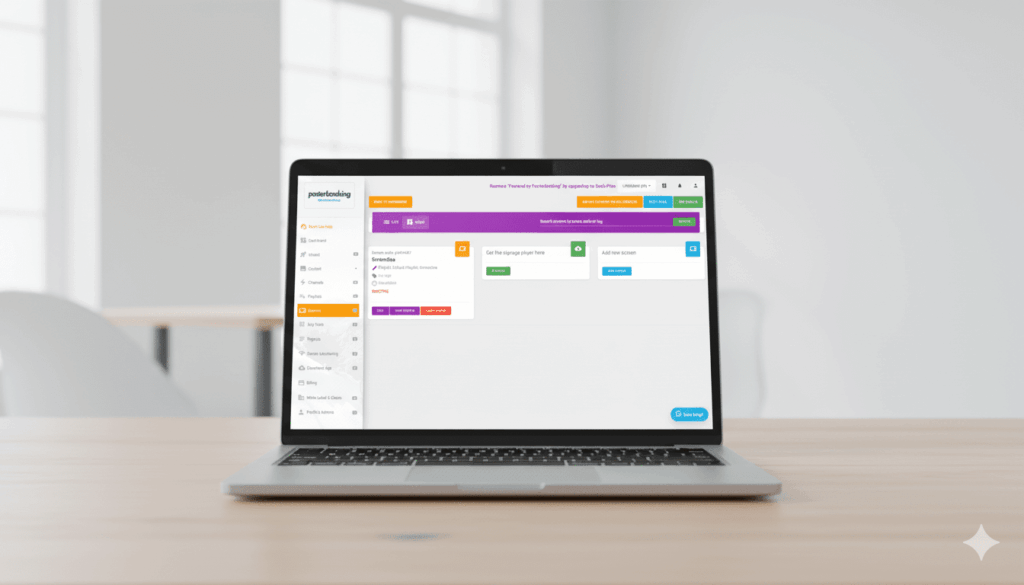
PosterBooking, a free digital signage software platform, is ideal for AT&T store deployment because it allows easy cloud-based content management across up to 10 free screens. Managers can remotely schedule content for different locations, synchronize campaigns during peak hours, and even localize offers without additional hardware costs.
Which Content Types Deliver the Highest Engagement for AT&T Internet Customers?
The most effective AT&T Internet store signage content aligns product education with emotional storytelling. Customers are not just buying bandwidth - they are buying reliability, speed, and connection for their families and work.
High-performing content categories for telecom environments typically include:
- Real-Time Speed Visualizations: Showing local internet speeds compared to competitors.
- Plan Comparison Grids: Simplified visual layouts showing features, speeds, and pricing tiers side by side.
- Customer Testimonials: Short video stories of families, gamers, or small businesses benefiting from AT&T Internet.
- Tech Tutorials: Animated explainers about router placement, Wi-Fi extenders, or fiber setup processes.
- Smart Home Ecosystem Demos: Live loops showing how AT&T Internet supports Alexa, Ring, or DIRECTV STREAM devices.
According to a Digital Signage Today (2024) study, telecom brands that integrated instructional video content saw a 38% higher content retention rate and a 24% improvement in conversion intent compared to static promotions.
By prioritizing educational over purely promotional content, AT&T communicates transparency and value. For example, a loop explaining “How Fiber Internet Works” not only informs but subtly reinforces AT&T’s technological authority.
How Should AT&T Structure Its In-Store Digital Signage System?
To effectively implement a signage system, AT&T must align hardware, software, and content strategy under one unified control architecture. Fragmented deployments - where different stores use different tools - result in inconsistent messaging and wasted resources.
A reliable structure typically follows these layers:
- Display Infrastructure: 4K commercial-grade screens (Samsung SMART Signage, LG webOS) rated for 16/7 or 24/7 operation.
- Media Players: Compact Android-based players compatible with PosterBooking for seamless CMS control.
- Content Management System (CMS): Cloud-based software (PosterBooking) enabling scheduling, live updates, and analytics.
- Network Configuration: Secure VLAN or dedicated Wi-Fi channel ensuring real-time data sync without interference.
- Analytics Integration: Built-in tracking for impressions, dwell time, and content performance metrics.
The following table compares leading signage CMS options for telecom retail use:
| CMS Platform | Setup Complexity | Remote Management | Cost Efficiency | Ideal Use Case |
|---|---|---|---|---|
| PosterBooking | Low | Excellent | ★★★★★ | Multi-branch cloud control (up to 10 free screens) |
| NoviSign | Medium | Good | ★★★★☆ | Small-scale localized campaigns |
| Yodeck | Medium | Excellent | ★★★★☆ | Branch-specific promotions |
| ScreenCloud | High | Excellent | ★★★☆☆ | Advanced enterprise integrations |
PosterBooking’s advantage lies in simplicity and cost-free scalability, making it an ideal starting point for AT&T pilot rollouts across high-traffic retail zones before enterprise expansion.
How to Plan and Deploy Digital Signage in AT&T Stores Effectively?
A structured, phased deployment process ensures visual consistency and operational stability. The recommended 5-step checklist for AT&T’s signage rollout includes:
- Define Objectives: Identify measurable engagement goals - e.g., “Increase plan upgrade conversions by 15% in 90 days.”
- Design Content Playlists: Curate visuals aligned with customer journey stages (awareness → decision → activation).
- Choose the CMS Platform: Use PosterBooking for pilot deployment to test multi-location management efficiency.
- Integrate Data Sources: Connect signage to live product availability, service maps, or CRM feeds for dynamic content.
- Monitor & Optimize: Use analytics dashboards to track dwell time, screen engagement, and conversion impact weekly.
According to Forrester Research (2022), businesses that actively track digital signage performance metrics achieve a 34% higher campaign ROI compared to those using static, unmeasured displays
How Does Digital Signage Improve Staff Efficiency and Service Quality?
Digital signage doesn’t just enhance the customer experience - it elevates staff performance by reducing repetitive tasks and improving communication flow. In AT&T Internet stores, many interactions revolve around explaining plan tiers, service coverage, or equipment setup. These repetitive explanations consume valuable time that could otherwise be used for personalized customer support or upselling.
By automating common FAQs and plan details through digital displays, employees can focus on high-value interactions such as troubleshooting, device recommendations, or cross-selling home internet bundles. According to McKinsey & Company (2023), stores using digital displays for customer pre-education saw a 42% decrease in average consultation time and a 31% improvement in customer satisfaction scores.
In practice, an AT&T associate can now direct a waiting customer to a nearby touchscreen that explains the difference between Fiber 500 Mbps and Fiber 1 Gbps plans while preparing backend paperwork or checking device availability. This self-guided engagement keeps customers occupied and informed, reducing perceived wait times and improving queue management efficiency.
Moreover, staff training benefits from the same technology. Internal digital signage in staff-only zones can display product updates, new promotion briefings, or daily performance targets. This creates a continuous learning environment where every employee stays aligned with AT&T’s brand message and sales objectives.
Why Does Customer Psychology Matter in AT&T’s In-Store Signage Strategy?
Customer engagement in telecom retail environments depends heavily on visual cognition and emotional connection. Digital signage, when strategically designed, activates both rational and affective processing systems in the brain - helping customers understand complex data while feeling positively about the brand presenting it.
According to The Journal of Consumer Psychology (2022), motion-based visuals capture 2.6× more attention than static images, and color-coded progressions (like coverage strength indicators) increase comprehension by 46%. This matters because telecom products often involve invisible concepts - speed, latency, reliability - that are hard to “see” without visualization.
AT&T can leverage this insight through immersive storytelling screens that show data flow animations, side-by-side network comparisons, or visual metaphors (like fiber lines lighting up homes). For example, when explaining fiber optic advantages, instead of listing specs, a display could show an animation of streaming, gaming, and video calls running smoothly under AT&T’s network.
This technique transforms abstract performance data into tangible experiences, enhancing customer trust and emotional resonance. When customers emotionally visualize the benefit of faster internet or seamless smart home connectivity, they are significantly more likely to upgrade or bundle services.
How Can AT&T Integrate Digital Signage With Its App Ecosystem?
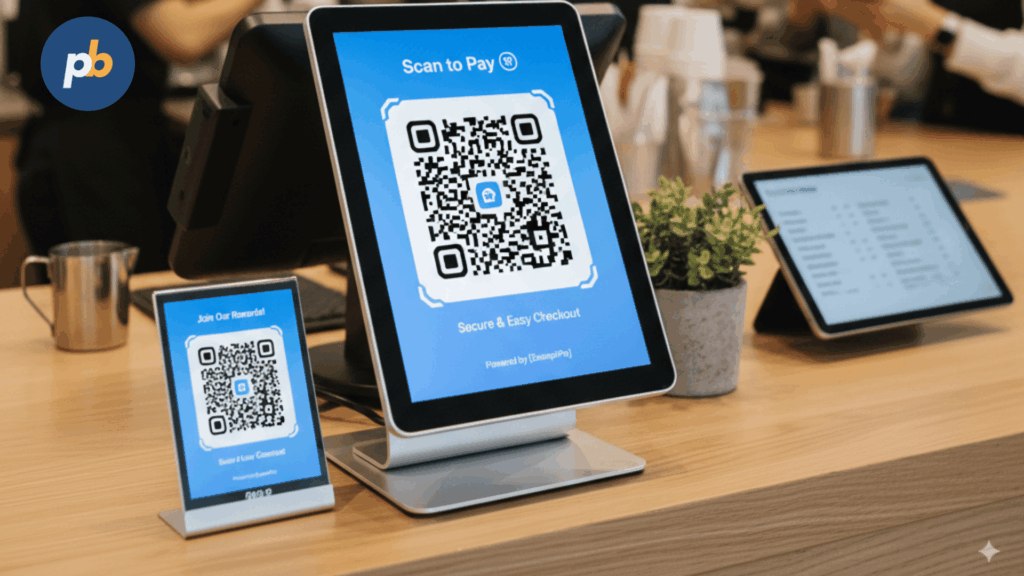
Integration between in-store signage and the AT&T Internet app ecosystem creates an omnichannel engagement loop. Customers can scan QR codes from in-store screens to continue exploration on their smartphones, preserving continuity after leaving the store.
Practical integration points include:
- QR Code Continuation: Interactive signage that lets customers download the AT&T Smart Home Manager app directly.
- App-Based Personalization: Using in-app data (like current plan details) to trigger tailored screen content when customers scan or check in.
- Cross-Channel Offers: Promotions shown on in-store signage can appear as push notifications within the app for consistency.
- Self-Activation Workflows: New subscribers can start setup by scanning an on-screen code linked to AT&T’s onboarding portal.
- Support Integration: Service tutorials shown on displays can link to live chat or video help sessions via mobile.
According to Accenture Digital (2023), integrated digital signage and mobile ecosystems yield a 58% higher repeat visit rate and a 23% uplift in app adoption. This synergy ensures that engagement doesn’t stop at the physical store but continues seamlessly into customers’ digital lives.
PosterBooking supports QR code integration natively, making it easy to embed trackable links into dynamic content loops. AT&T can therefore track how many customers scan in-store screens to download the MyAT&T or Smart Home Manager apps, providing valuable data on engagement depth.
How Can AT&T Measure ROI and Performance of Digital Signage Investments?
AT&T’s digital signage success should be evaluated using a balanced KPI framework that combines financial, operational, and experiential metrics. The goal is not merely to count impressions but to quantify behavioral impact.
The most relevant KPIs for telecom retail signage include:
- Engagement Metrics: Average dwell time, screen interaction count, and QR code scan rate.
- Conversion Metrics: In-store sign-ups, plan upgrades, and cross-sell volume linked to display exposure.
- Operational Metrics: Reduction in average handling time (AHT) and queue drop-offs.
- Experience Metrics: Net Promoter Score (NPS) improvement and customer satisfaction survey deltas.
- Financial Metrics: Cost per engagement, signage ROI ratio, and incremental revenue per square foot.
A pilot program in three AT&T flagship stores could, for instance, measure before-and-after performance across these indicators over 90 days. According to Deloitte Insights (2024), retailers that conduct structured signage ROI tracking see a 36% higher accuracy in marketing attribution and a 22% faster optimization cycle.
PosterBooking’s built-in analytics dashboard simplifies this process by showing playlist performance, uptime, and screen engagement trends in real time - key data for AT&T’s regional marketing managers to justify wider rollout.
Which Lessons Can Be Drawn From Other Telecom Leaders’ Use of Digital Signage?
Several telecom leaders offer valuable benchmarks for AT&T’s digital signage strategy:
- Verizon: Uses AI-powered displays that adjust promotions based on customer footfall demographics. Result: 21% increase in same-store sales (RetailTech Review, 2023).
- T-Mobile: Deploys 5G-powered interactive tables for experiential demos, shortening plan decision time by 29%.
- BT (UK): Uses digital walls for “Build Your Broadband” configurators, resulting in a 17% improvement in plan clarity ratings.
AT&T can adopt and adapt these models, focusing on combining experiential demos (like T-Mobile) with local relevance (like BT). The company’s edge lies in its nationwide fiber expansion and smart home ecosystem - two themes ideally visualized through synchronized signage storytelling.
A comparative table shows the advantage clearly:
| Telecom Brand | Core Digital Signage Use | Measured Impact | Lesson for AT&T |
|---|---|---|---|
| Verizon | AI-driven localized promos | +21% same-store sales | Personalize offers by location and time |
| T-Mobile | Interactive 5G demo tables | −29% decision time | Focus on tactile, educational content |
| BT (UK) | Broadband configurators | +17% plan clarity | Simplify complex product comparisons |
| AT&T (proposed) | Fiber education & app-linked engagement | (Projected +25% engagement rate) | Merge storytelling with interactivity |
What Are the Broader Implications for AT&T’s Brand and Customer Experience?
The strategic integration of digital signage transforms AT&T stores from transactional environments into interactive learning hubs. Beyond short-term conversions, this approach strengthens long-term brand equity by aligning the in-store experience with AT&T’s promise of connectivity, innovation, and reliability.
When customers enter an AT&T store and encounter digital screens that respond to their needs - explaining, guiding, and delighting - they perceive the brand as technologically advanced yet human-centered. According to Nielsen (2023), 68% of consumers associate digital display environments with higher trust in the brand.
The broader implication is that digital signage becomes not merely a marketing tool but a cognitive interface - one that teaches, reassures, and converts simultaneously. PosterBooking provides AT&T with the flexibility to scale this experience affordably across multiple regions, allowing a consistent yet locally adaptive communication strategy.
Ultimately, AT&T’s mastery of in-store digital engagement will define how customers perceive its Internet service not just as a utility but as an experience - reliable, dynamic, and deeply integrated into modern life.