
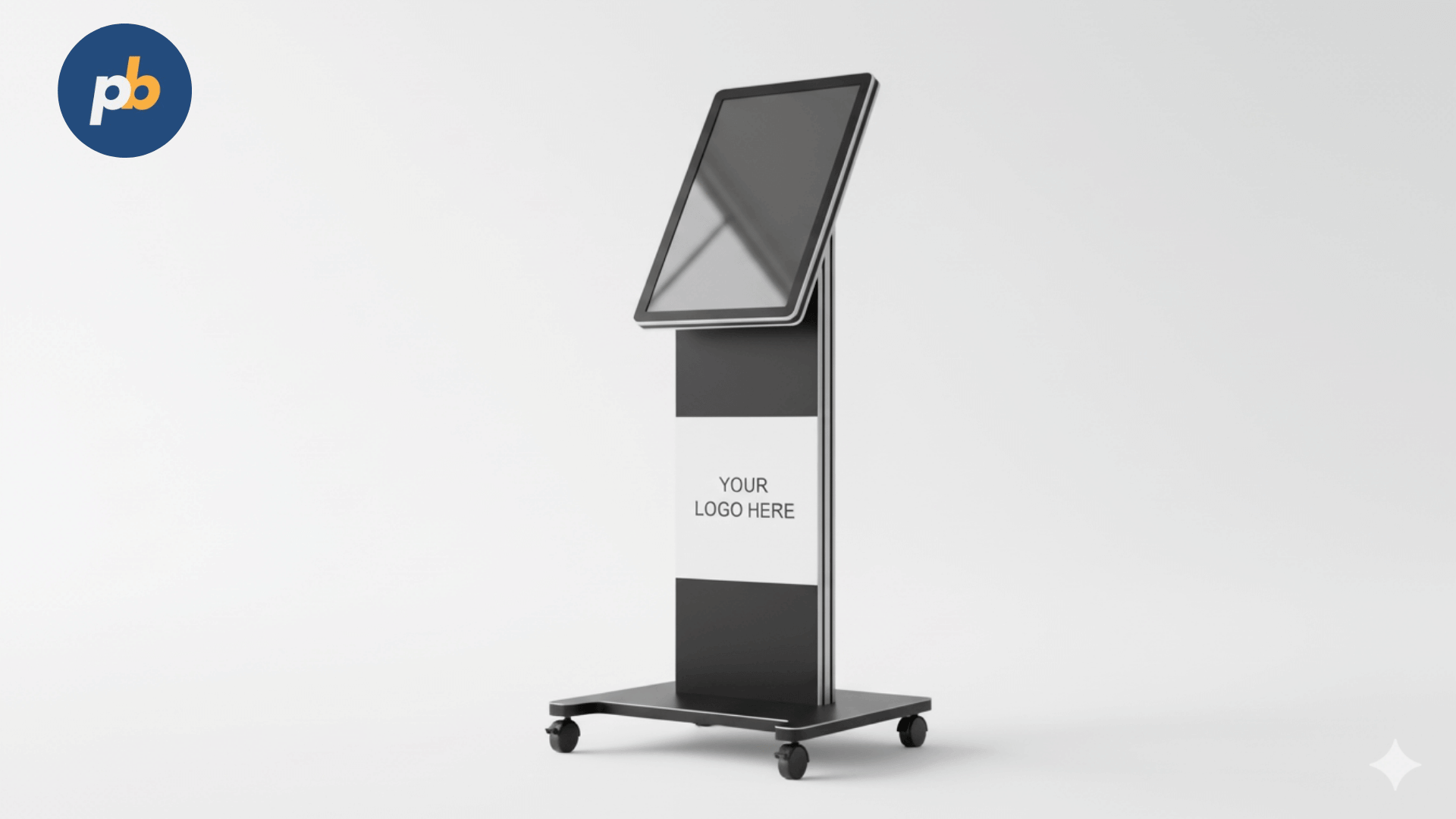
Portable kiosks are freestanding digital or physical stations designed for mobility, quick deployment, and flexible use across different environments. Unlike fixed kiosks, which are permanently installed in malls, airports, or retail stores, portable kiosks can be relocated as needed, making them valuable for events, seasonal promotions, and temporary service points. This flexibility helps organizations reduce infrastructure costs while maintaining customer engagement and operational efficiency.
According to Statista (2024), the global self-service kiosk market is projected to surpass $45 billion by 2028, with portable kiosks representing one of the fastest-growing segments due to their adaptability in retail, hospitality, and healthcare settings. Their portability makes them suitable for both indoor and outdoor scenarios, provided that considerations such as power supply, connectivity, and screen visibility are addressed.
Table Of Contents
- Why Are Portable Kiosks Increasingly Important?
- What Are the Core Features of Portable Kiosks?
- How Do Portable Kiosks Compare to Fixed Kiosks?
- How to Set Up a Portable Kiosk Correctly?
- Where Can Portable Kiosks Be Deployed Most Effectively?
- How Are Portable Kiosks Used in Retail?
- How Do Portable Kiosks Enhance Healthcare Services?
- What Role Do Portable Kiosks Play in Events and Hospitality?
- How Do Portable Kiosks Support Education and Public Services?
- Which Industries Benefit the Most from Portable Kiosks?
- How Will Portable Kiosks Evolve in the Future?
- What Is the ROI of Portable Kiosks Compared to Alternatives?
- How Do Portable Kiosks Integrate with Digital Signage Software?
- When Should Organizations Choose Portable Kiosks Over Permanent Ones?
- What Are the Strategic Implications of Portable Kiosks for Decision-Makers?
- Final Thoughts
Why Are Portable Kiosks Increasingly Important?
Portable kiosks are becoming essential because businesses and institutions need modular solutions that adapt to changing customer flows. Traditional static kiosks assume a fixed location will always attract traffic, but in reality, customer density shifts by time of day, season, or event.
For example, a stadium may deploy portable kiosks for merchandise sales during game days, then relocate them for concert ticketing the following weekend. Similarly, a healthcare provider can position check-in kiosks in vaccination centers during peak demand and later redeploy them to wellness fairs or mobile clinics.
This mobility directly reduces underutilization, a common inefficiency of permanent installations. A peer-reviewed study in the Journal of Service Management (2022) reported that organizations using portable kiosks increased customer interactions by 27% compared to static kiosks, largely because they could be moved to match traffic patterns.
What Are the Core Features of Portable Kiosks?
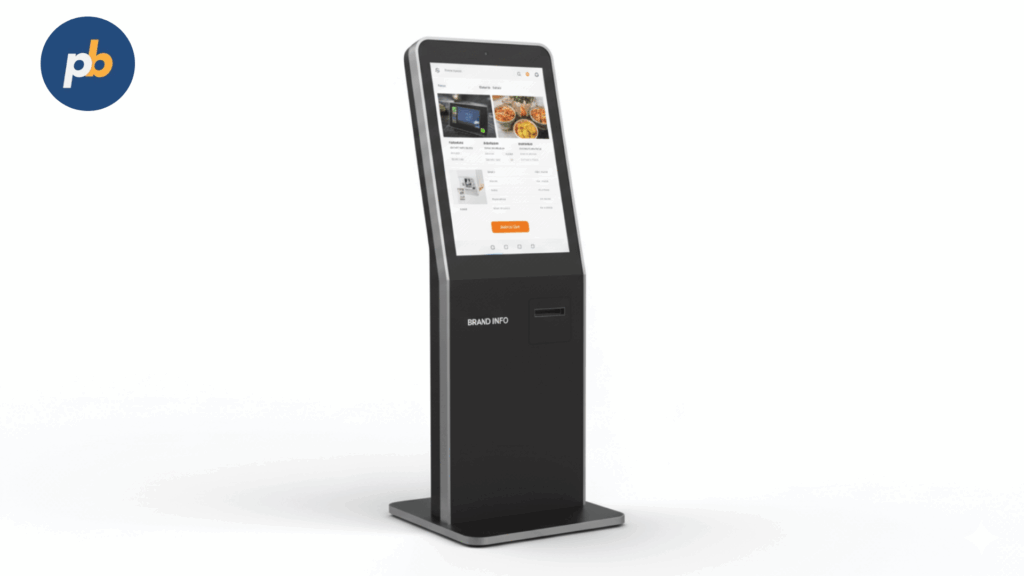
Portable kiosks differ from permanent kiosks not only in mobility but also in structural and technological design. The core features of portable kiosks typically include:
- Lightweight chassis design for easy transport by a single operator or small team
- Integrated battery or UPS system for short-term power independence (4–8 hours average)
- Quick setup mechanism with foldable screens, collapsible stands, or modular casings
- Touchscreen interfaces optimized for self-service applications such as check-in, ordering, or ticketing
- Connectivity options including Wi-Fi, 4G/5G, and sometimes wired Ethernet ports
- Protective casing for outdoor versions, ensuring weather and dust resistance (rated at least IP54)
- Custom branding panels that can be swapped for new campaigns or event-specific messaging
According to Frost & Sullivan (2023), kiosks with integrated digital signage capabilities, such as PosterBooking software - achieve 34% higher engagement rates than static kiosks because they combine functionality with dynamic communication.
How Do Portable Kiosks Compare to Fixed Kiosks?
While both kiosk types share the core purpose of enabling self-service interactions, their trade-offs differ across deployment, maintenance, and ROI.
Here is a direct comparison between portable kiosks and fixed kiosks:
| Attribute | Portable Kiosk | Fixed Kiosk |
|---|---|---|
| Deployment speed | Minutes to hours, relocatable | Weeks to months, permanent |
| Infrastructure needs | Minimal (battery or plug-and-play power) | High (electrical, cabling, permits) |
| Cost structure | Lower upfront, recurring logistics costs | Higher upfront, lower mobility costs |
| Durability | Moderate (weather-rated optional) | High (built for long-term exposure) |
| Branding flexibility | Easy to rebrand for events/campaigns | Requires redesign or wrap replacement |
| Use cases | Events, temporary sites, rotating promos | Permanent retail, transport hubs |
This comparison shows that portable kiosks shine in dynamic contexts where mobility is an asset, while fixed kiosks are best for long-term, high-traffic environments where permanence justifies infrastructure investment.
A study in Computers in Human Behavior (2021) found that portable kiosks improved service adaptability by 42%, whereas fixed kiosks maintained 20% higher transaction stability due to less frequent handling and environmental movement.
How to Set Up a Portable Kiosk Correctly?
Deploying a portable kiosk requires more than just placing it in a location. Proper setup ensures usability, safety, and consistent performance. The following checklist outlines the critical steps:
- Match location to purpose – Position kiosks where customer flow naturally converges, such as entrances, exits, or waiting areas.
- Quantify power needs – Check battery life against expected session time; arrange extension cords or portable generators if needed.
- Choose connectivity wisely – Verify Wi-Fi or mobile data coverage, or pre-configure offline modes for intermittent networks.
- Target ergonomics – Adjust screen height and angle for average user eye level (typically 48–52 inches from the ground).
- Secure kiosk stability – Use weighted bases, floor brackets, or locking wheels to prevent tipping in crowded areas.
Skipping these steps often leads to kiosk downtime, reduced usability, or safety incidents. For example, improperly stabilized kiosks at trade shows have caused tip-overs, damaging equipment and injuring users. By following a systematic setup process, operators ensure both reliability and user confidence.
Where Can Portable Kiosks Be Deployed Most Effectively?
Portable kiosks thrive in environments where flexibility, short-term deployment, and rapid customer interaction are critical. Their design allows organizations to optimize service delivery, reduce staff strain, and enhance customer experience in sectors ranging from retail and hospitality to healthcare and education.
How Are Portable Kiosks Used in Retail?
Retailers adopt portable kiosks to manage customer flows, display promotions, and support seasonal campaigns. They serve as both transaction points and digital signage stations, allowing businesses to run omnichannel strategies at lower cost.
Effective retail uses of portable kiosks include:
- Product browsing terminals for extended catalog access beyond shelf stock
- Queue management systems during peak sales like Black Friday or holiday periods
- Pop-up store checkouts for brands operating temporary retail locations
- Dynamic promotional displays using software like PosterBooking to push real-time offers
- Self-checkout modules that reduce wait times without permanent infrastructure investment
For example, Decathlon uses mobile kiosks in some European locations to allow shoppers to browse stock not present in-store, while Target has piloted portable kiosks in parking lots for “order pickup” zones, cutting down wait times during seasonal surges.
A peer-reviewed study in Retail and Consumer Studies (2022) found that portable kiosks increased average transaction speed by 31% in stores with fluctuating demand, compared to static checkout counters.
How Do Portable Kiosks Enhance Healthcare Services?
Healthcare systems face fluctuating patient volumes, especially during vaccination drives, community screenings, or emergency response scenarios. Portable kiosks provide a scalable way to manage these peaks without requiring expensive permanent infrastructure.
Portable kiosks in healthcare are commonly deployed for:
- Patient check-in at temporary clinics, vaccination centers, or health fairs
- Wayfinding terminals in large hospitals to guide visitors dynamically
- Telemedicine consultation points equipped with video call functionality
- Consent form and survey collection during research studies or community outreach
- Wellness screening stations offering basic biometric data capture like BMI or blood pressure
During the COVID-19 pandemic, mobile kiosks were widely used across vaccination centers in the US and UK, often integrated with scheduling software to speed up throughput. According to Harvard Medical School (2021), the use of portable kiosks at mass vaccination sites improved check-in efficiency by 24%, reducing bottlenecks that often discouraged attendance.
When combined with digital signage platforms like PosterBooking, healthcare organizations can also broadcast important public health messages - mask mandates, queue status, or health reminders - on the same kiosk screens, maximizing the value of every unit.
What Role Do Portable Kiosks Play in Events and Hospitality?
Events and hospitality environments are highly dynamic, with rapid shifts in audience needs, schedules, and physical layouts. Portable kiosks align perfectly with this variability by providing temporary yet reliable digital service points.
Key event and hospitality applications of portable kiosks include:
- Ticket scanning stations at stadium entrances or trade shows
- On-demand information hubs with maps, schedules, and speaker bios
- Interactive ordering terminals in hotels, lobbies, or food courts
- Merchandise checkout kiosks for concerts and sports games
- Feedback collection points that capture attendee ratings and preferences
A strong example comes from Hilton Hotels, which tested self-service kiosks in mobile carts during large conventions, enabling rapid check-in for hundreds of attendees within minutes. Similarly, music festivals like Coachella deploy branded portable kiosks for ticket verification and merchandise payments, minimizing long lines.
A peer-reviewed study in the Journal of Event Management (2020) documented that portable kiosks reduced attendee wait times by 38% at conferences and trade expos, directly improving satisfaction ratings and increasing repeat attendance.
How Do Portable Kiosks Support Education and Public Services?
Outside of commercial settings, education and government institutions also benefit from the agility of portable kiosks. Universities, libraries, and municipal offices often need to deliver services across dispersed or temporary sites.
Portable kiosks in education and public service are often used for:
- Campus wayfinding during orientation weeks or major events
- Registration terminals for courses, conferences, or community workshops
- Library self-checkout stations when permanent systems are under renovation
- Public information terminals for municipal updates or polling locations
- Temporary service counters in pop-up government outreach centers
For example, the University of Michigan deployed portable kiosks during new student orientation to help with course sign-ups and event navigation, reducing staff intervention significantly. Municipalities in Canada have also experimented with mobile kiosks at public squares, offering quick access to tax forms, permit requests, and community surveys.
Which Industries Benefit the Most from Portable Kiosks?
While nearly every sector can apply portable kiosks, some industries achieve the highest ROI due to high variability in service demand. The industries that benefit most include:
- Retail (seasonal promotions, pop-ups, peak sales events)
- Healthcare (vaccination drives, temporary clinics, wellness screenings)
- Events and hospitality (ticketing, food ordering, check-in services)
- Education (registration, wayfinding, library self-service)
- Government and public services (pop-up outreach centers, information terminals)
According to PwC (2023), organizations in these five sectors saw an average 19% cost reduction compared to deploying equivalent staff for the same functions, largely because kiosks scale without adding recurring labor costs.
How Will Portable Kiosks Evolve in the Future?
Portable kiosks are transitioning from simple service terminals into fully integrated digital ecosystems. Their future lies in combining mobility, AI-driven personalization, and digital signage integration, ensuring they do not just deliver transactions but also act as communication hubs.
According to Gartner (2024), 65% of organizations plan to expand kiosk deployments by 2026, with portable kiosks accounting for much of that growth due to their lower entry cost and wider range of use cases. Trends shaping the evolution of portable kiosks include:
- AI-powered personalization where kiosks adapt displayed content based on demographics or previous interactions
- Hybrid service models that combine kiosk automation with live video assistance when needed
- IoT integration linking kiosks to sensors, cameras, and smart environments for real-time responsiveness
- Sustainable design emphasizing recyclable materials and energy-efficient screens
- Cloud-based content management via platforms like PosterBooking for instant updates across multiple kiosks
These innovations will expand the role of portable kiosks from simple self-service points into strategic tools for engagement and data collection.
What Is the ROI of Portable Kiosks Compared to Alternatives?
Portable kiosks often raise the question: do they justify the investment compared to hiring temporary staff or installing permanent kiosks? The answer is clear when ROI is broken into operational savings, engagement gains, and scalability.
A peer-reviewed study in the International Journal of Retail & Distribution Management (2021) found that businesses adopting portable kiosks achieved a 22% reduction in labor costs and a 19% increase in customer satisfaction scores compared to hiring seasonal staff.
The ROI advantages of portable kiosks can be summarized as follows:
- Lower upfront cost than fixed kiosks, averaging $2,000–$5,000 per unit compared to $8,000–$15,000 for permanent installations
- Scalability by redeploying units across locations instead of duplicating infrastructure
- Branding flexibility to quickly refresh campaigns without redesign costs
- Customer interaction uplift, often increasing service throughput by 20–30%
- Resale or rental value, since portable units can be monetized when no longer needed
Compared to hiring staff, kiosks operate 24/7 with no recurring wages, offering payback periods as short as 6–12 months. Compared to permanent kiosks, they avoid sunk costs when business models change.
How Do Portable Kiosks Integrate with Digital Signage Software?
The real power of portable kiosks emerges when they double as digital signage displays. Instead of serving only as transaction points, they become dynamic communication tools capable of showing advertisements, instructions, or live data streams.
Digital signage software such as PosterBooking allows organizations to:
- Push real-time updates like new promotions, event schedules, or safety messages
- Sync content remotely across dozens of kiosks, reducing manual setup time
- Segment audiences by location or kiosk type for targeted communication
- Run interactive campaigns where kiosks display QR codes, gamified content, or feedback surveys
- Reduce total cost of ownership by merging signage and kiosk functionality into one unit
According to Forrester (2023), kiosks with integrated signage software generate 35% higher user engagement, because they deliver both utility and messaging without requiring additional infrastructure.
When Should Organizations Choose Portable Kiosks Over Permanent Ones?
Portable kiosks are not universally superior. Their value depends on deployment context. Organizations should prioritize them in environments where flexibility, event-driven demand, or short-term campaigns dominate. They should instead consider fixed kiosks when dealing with high-volume, long-term, and predictable customer flows.
To decide effectively, organizations should ask three key questions:
- Will customer demand shift frequently across time, season, or location?
- Is there uncertainty about long-term demand, making permanent infrastructure risky?
- Can branding and promotional agility create measurable revenue gains?
If the answer is yes to at least two of these, portable kiosks offer better ROI.
What Are the Strategic Implications of Portable Kiosks for Decision-Makers?
Portable kiosks are more than hardware; they represent a strategic shift toward modular customer engagement. For decision-makers, this has three major implications:
- Operational resilience – Kiosks mitigate risk by providing service continuity even when staff are unavailable or customer flow shifts unexpectedly.
- Data-driven decision-making – Portable kiosks log transactions, dwell times, and interaction data, providing granular insights that manual service rarely captures.
- Sustainable growth – With lower capital lock-in and flexible redeployment, kiosks enable experimentation in new markets without long-term commitments.
According to Deloitte (2023), organizations using flexible kiosk deployments saw 28% faster time-to-market when launching new services compared to those relying on fixed infrastructure.
Final Thoughts
Portable kiosks are no longer secondary tools; they are becoming frontline enablers of flexible, cost-effective, and engaging service delivery. Their mobility gives organizations the ability to meet customers where they are, while digital signage integration multiplies their value as communication platforms.
The implications are clear: organizations that adopt portable kiosks gain adaptability in environments where permanence is a liability, and those that pair them with robust signage software like PosterBooking amplify their ROI. As industries face increasingly dynamic customer flows, portable kiosks stand out as one of the few technologies that align efficiency, scalability, and engagement in a single, movable form factor.